
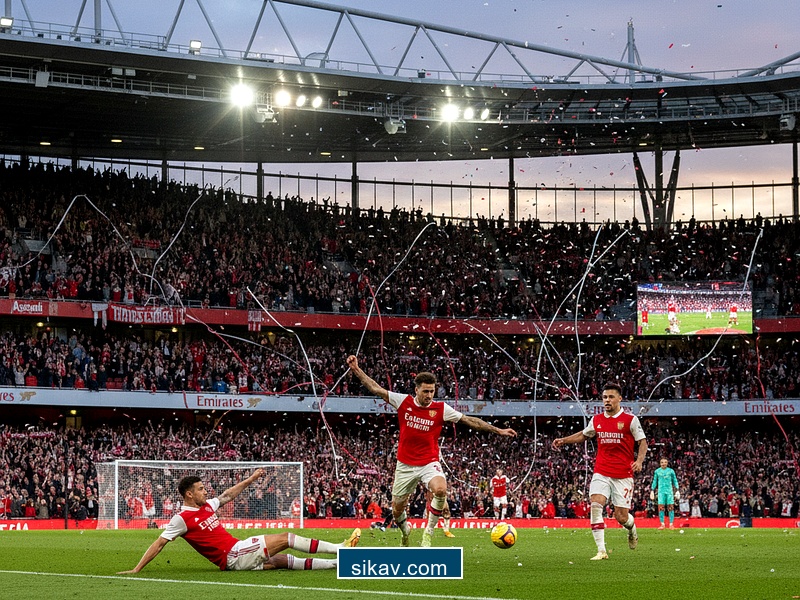
Let’s cut the noise and look at the reality of North London right now. If you think getting a reservation at a Michelin-star restaurant in Mayfair is tough, try logging onto the Arsenal ticket exchange on a Monday morning. The snippet from the tabloids tells you that tickets are "hot," but that is a massive understatement. What we are witnessing at the Emirates Stadium isn't just a surge in interest; it is a full-blown market correction of a giant that was sleeping for nearly two decades.
For years, rival fans mocked the "Emirates Library." Seats were available. The corporate boxes were half-empty, populated by dispassionate suits checking their phones. That era is dead and buried. Mikel Arteta has not only reconstructed the team’s tactical identity; he has fundamentally altered the supply-and-demand curve of North London football. With the Gunners chasing their first title since the Invincibles of 2003/04, the ticket has become a status symbol, a currency, and for the club's hierarchy, a massive financial lever.
The VIP Backdoor: Why Hospitality is King
Standard admission is a closed shop. With Silver and Red memberships saturated and a ballot system that leaves thousands disappointed weekly, the focus has shifted aggressively toward the "Club Level" and hospitality sectors. The club knows this. The aggressive marketing of VIP packages—starting from hundreds and scaling into the thousands of pounds per match—isn't an accident. It is a calculated move to capitalize on FOMO (Fear Of Missing Out).
We are seeing a trend where the "average" fan, desperate to witness a potential title lift, is stretching their finances to buy hospitality packages simply because it guarantees a seat. This is the gentrification of the terrace experience. You aren't just paying for the padded seat or the halftime buffet; you are paying a premium to bypass the queue. It creates a secondary economy around the club where access is determined purely by liquidity, not loyalty.
Deep Dive: The Revenue Stream and Transfer Implications
Why does this aggressive push for high-end ticket sales matter beyond the turnstile? It’s all about the Profit and Sustainability Rules (PSR). Arsenal does not have the oil-state backing of Manchester City or Newcastle United. Their spending power is intrinsically linked to their self-generated revenue.
Every sold-out hospitality suite and every VIP upgrade sold at a premium contributes directly to the "pure profit" margins that keep the club compliant with financial regulations. When Edu Gaspar sits down to negotiate for a £100 million striker in the summer, that budget is partially constructed by the matchday revenue dominance Arsenal is currently enjoying.
The club's strategy is clear: maximize the yield per seat. While the football on the pitch is art, the operation in the back office is cold, hard business. They are leveraging the emotional investment of the fanbase to bridge the financial gap to the European elite. If you wonder why the club is pushing "official hospitality" so hard, realize that this revenue stream is what keeps players like Bukayo Saka and William Saliba on competitive wages.
The Stat Pack: Fortress Emirates
The demand for tickets correlates directly with the transformation of home form. The Emirates was once a nice day out for opposition teams. Now, the metrics show a ground that suffocates opponents.
| Metric | Wenger (Late Era 2017) | Arteta (Current Era) |
|---|---|---|
| Home Win % | Approx. 62% | Over 75% |
| Avg. Ticket Resale Price | Face Value (often below) | 300% - 500% Markup |
| Atmosphere Decibel Levels | Mutinous / Quiet | Peak European Night Levels |
| Matchday Revenue (Annual) | £90m - £95m | Projected £120m+ |
Fan Pulse: Euphoria Meets Anxiety
Walk down the Hornsey Road before kickoff and the energy is visceral. The Ashburton Army has revitalized the sensory experience of the stadium. There are pyrotechnics, coordinated displays, and a noise level that genuinely rattles opposition goalkeepers. The fanbase is united in belief for the first time in a generation.
However, scratch the surface, and there is significant anxiety. The "tout" problem is rampant. Genuine fans are battling bots on the ticket exchange. The shift toward pushing fans into expensive hospitality upgrades has alienated a section of the working-class support base that stuck by the club during the lean years of the banter era.
"The vibe is electric, but my wallet is bleeding. I used to pick up a ticket on the day in 2018. Now, if I don't have a bot or a grand to spend on 'Club Level', I'm watching at the pub." — Long-time Season Ticket Holder on the Islington forums.
The Locker Room Feedback Loop
Do not underestimate how much this commercial clamor impacts the dressing room. Sources close to the squad suggest that the players are acutely aware of the ticket demand. It serves as a weekly validation of their project. When players see fans paying premium rates just to be in the building, it reinforces the magnitude of the task at hand.
Arteta uses this. He frames the "impossible to get ticket" narrative as proof that the players have reconnected the club with its soul. It is a psychological weapon. The noise, the filled seats, the desperate scramble for entry—it all feeds into the "us against the world" mentality that the manager has cultivated so effectively.
The business of selling tickets has changed at Arsenal because the product has changed. We are looking at a club operating at peak efficiency, squeezi
Let’s cut the noise and look at the reality of North London right now. If you think getting a reservation at a Michelin-star restaurant in Mayfair is tough, try logging onto the Arsenal ticket exchange on a Monday morning. The snippet from the tabloids tells you that tickets are "hot," but that is a massive understatement. What we are witnessing at the Emirates Stadium isn't just a surge in interest; it is a full-blown market correction of a giant that was sleeping for nearly two decades.
For years, rival fans mocked the "Emirates Library." Seats were available. The corporate boxes were half-empty, populated by dispassionate suits checking their phones. That era is dead and buried. Mikel Arteta has not only reconstructed the team’s tactical identity; he has fundamentally altered the supply-and-demand curve of North London football. With the Gunners chasing their first title since the Invincibles of 2003/04, the ticket has become a status symbol, a currency, and for the club's hierarchy, a massive financial lever.
The VIP Backdoor: Why Hospitality is King
Standard admission is a closed shop. With Silver and Red memberships saturated and a ballot system that leaves thousands disappointed weekly, the focus has shifted aggressively toward the "Club Level" and hospitality sectors. The club knows this. The aggressive marketing of VIP packages—starting from hundreds and scaling into the thousands of pounds per match—isn't an accident. It is a calculated move to capitalize on FOMO (Fear Of Missing Out).
We are seeing a trend where the "average" fan, desperate to witness a potential title lift, is stretching their finances to buy hospitality packages simply because it guarantees a seat. This is the gentrification of the terrace experience. You aren't just paying for the padded seat or the halftime buffet; you are paying a premium to bypass the queue. It creates a secondary economy around the club where access is determined purely by liquidity, not loyalty.
Deep Dive: The Revenue Stream and Transfer Implications
Why does this aggressive push for high-end ticket sales matter beyond the turnstile? It’s all about the Profit and Sustainability Rules (PSR). Arsenal does not have the oil-state backing of Manchester City or Newcastle United. Their spending power is intrinsically linked to their self-generated revenue.
Every sold-out hospitality suite and every VIP upgrade sold at a premium contributes directly to the "pure profit" margins that keep the club compliant with financial regulations. When Edu Gaspar sits down to negotiate for a £100 million striker in the summer, that budget is partially constructed by the matchday revenue dominance Arsenal is currently enjoying.
The club's strategy is clear: maximize the yield per seat. While the football on the pitch is art, the operation in the back office is cold, hard business. They are leveraging the emotional investment of the fanbase to bridge the financial gap to the European elite. If you wonder why the club is pushing "official hospitality" so hard, realize that this revenue stream is what keeps players like Bukayo Saka and William Saliba on competitive wages.
The Stat Pack: Fortress Emirates
The demand for tickets correlates directly with the transformation of home form. The Emirates was once a nice day out for opposition teams. Now, the metrics show a ground that suffocates opponents.
| Metric | Wenger (Late Era 2017) | Arteta (Current Era) |
|---|---|---|
| Home Win % | Approx. 62% | Over 75% |
| Avg. Ticket Resale Price | Face Value (often below) | 300% - 500% Markup |
| Atmosphere Decibel Levels | Mutinous / Quiet | Peak European Night Levels |
| Matchday Revenue (Annual) | £90m - £95m | Projected £120m+ |
Fan Pulse: Euphoria Meets Anxiety
Walk down the Hornsey Road before kickoff and the energy is visceral. The Ashburton Army has revitalized the sensory experience of the stadium. There are pyrotechnics, coordinated displays, and a noise level that genuinely rattles opposition goalkeepers. The fanbase is united in belief for the first time in a generation.
However, scratch the surface, and there is significant anxiety. The "tout" problem is rampant. Genuine fans are battling bots on the ticket exchange. The shift toward pushing fans into expensive hospitality upgrades has alienated a section of the working-class support base that stuck by the club during the lean years of the banter era.
"The vibe is electric, but my wallet is bleeding. I used to pick up a ticket on the day in 2018. Now, if I don't have a bot or a grand to spend on 'Club Level', I'm watching at the pub." — Long-time Season Ticket Holder on the Islington forums.
The Locker Room Feedback Loop
Do not underestimate how much this commercial clamor impacts the dressing room. Sources close to the squad suggest that the players are acutely aware of the ticket demand. It serves as a weekly validation of their project. When players see fans paying premium rates just to be in the building, it reinforces the magnitude of the task at hand.
Arteta uses this. He frames the "impossible to get ticket" narrative as proof that the players have reconnected the club with its soul. It is a psychological weapon. The noise, the filled seats, the desperate scramble for entry—it all feeds into the "us against the world" mentality that the manager has cultivated so effectively.
The business of selling tickets has changed at Arsenal because the product has changed. We are looking at a club operating at peak efficiency, squeezi