
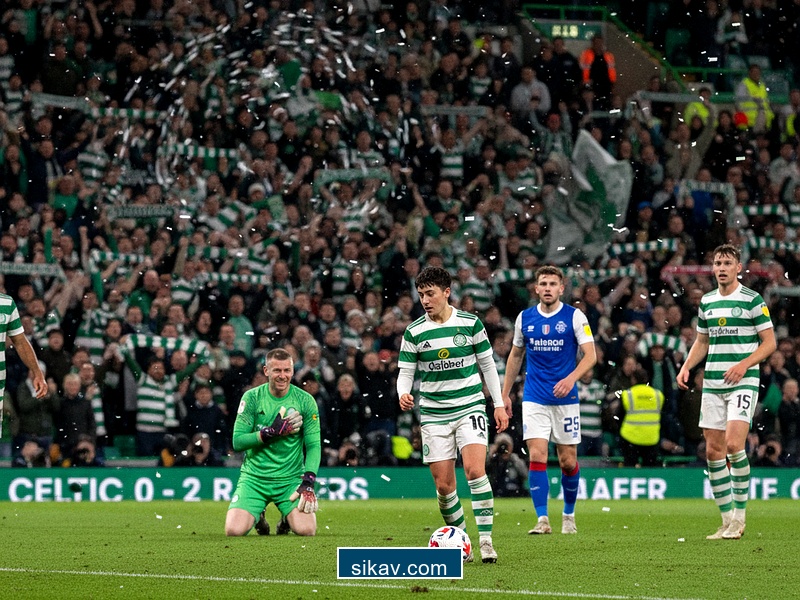
If you wanted a perfect case study on the difference between aesthetic idealism and ruthless pragmatism, Thursday night at Parkhead provided the masterclass. Wilfried Nancy stood on the touchline, arms folded, watching his Celtic side dismantle themselves against AS Roma. The 3-0 scoreline wasn't just a defeat; it was a tactical undressing. Yet, the most alarming aspect of the evening wasn't the defensive capitulation—it was Nancy’s post-match assertion that he remains "unconcerned."
While the manager preaches patience and process, goalkeeper Joe Hart offered a glimpse into the raw reality of the situation, admitting the slump "breaks his heart." This dissonance between the dugout and the goalmouth is where the real story lies. We are witnessing a clash of footballing cultures: Nancy’s fluid, positional play—so effective in MLS—is colliding violently with the cynical, transition-heavy nature of European competition.
The Tactical Defect: Sterile Domination
Let’s strip away the emotion and look at the geometry. Nancy’s system relies heavily on overloading the central channels and utilizing aggressive wing-backs to stretch the opponent. Against domestic opposition, this works because the technical disparity allows Celtic to recover when possession is lost. Against Roma, an Italian side schooled in the art of the calcio block, it was suicide.
Roma did not fight Celtic for the ball; they allowed them to have it. The Giallorossi settled into a compact 5-3-2 mid-block, closing off the passing lanes into the half-spaces that Nancy loves to exploit. Celtic’s center-backs were allowed to circulate the ball harmlessly in a U-shape. The moment Celtic attempted a vertical pass into the midfield pivot, Roma’s pressing trigger was activated.
The fatal flaw was Celtic's "rest defense"—the structure of the team while in possession. Nancy committed too many bodies forward in the build-up phase (often a 2-3-5 shape), leaving the backline exposed to Roma's rapid transitions. When you lose the ball in Zone 14 against a Serie A defense, and your wing-backs are pinned high near the corner flags, you aren't playing football; you are engaging in high-stakes gambling with poor odds.
The Stat Pack: Efficiency vs. Volume
The underlying numbers paint a picture of a team that mistakes activity for achievement. Nancy’s Celtic dominated the metrics that look good on a spreadsheet but failed in the metric that actually dictates result: High-Quality Chances Created.
| Metric | Celtic (Home) | AS Roma (Away) | Tactical Implication |
|---|---|---|---|
| Possession % | 64% | 36% | Sterile control without penetration. |
| xG (Expected Goals) | 0.42 | 2.85 | Roma's chances were clear-cut counters; Celtic took low-probability shots. |
| Passes in Final Third | 188 | 62 | High volume, zero incision. |
| Big Chances Missed | 0 | 3 | The scoreline could have been 0-5. |
The data exposes the lie in Nancy’s "unconcerned" demeanor. You cannot concede nearly 3.0 xG at home while generating less than 0.5 xG yourself and claim the system is working. That is not a bad day at the office; that is a systemic failure to protect the goal.
The Hart vs. Nancy Disconnect
Tactics are implemented by humans, and here lies the second problem. Joe Hart is a goalkeeper who has played at the pinnacle of the game. When he says a slump "breaks his heart," he isn't being melodramatic; he is signaling distress. Hart spent years in Serie A with Torino; he recognizes the specific kind of tactical naivety that gets punished by Italian teams.
"It breaks my heart... we are putting so much into it but getting nothing out." — Joe Hart
Compare this raw vulnerability to Nancy’s post-match comments. The manager focused on the "courage" to play out from the back. But there is a fine line between courage and stupidity. Hart is essentially screaming that the players are working tirelessly to execute a plan that leaves them structurally vulnerable. When your veteran leader and your manager are broadcasting on different emotional frequencies after a humiliating defeat, the dressing room is usually the next thing to fracture.
The Fan Pulse: Parkhead Patience is Finite
The boos that rang out at full-time were not just reactive; they were indicative of a fanbase that understands the game. Celtic fans appreciate attacking football—it is in the club's DNA—but they detest impotence. Watching their team pass sideways while Roma cut through them like a hot knife through butter is an affront to the intensity usually associated with European nights in Glasgow.
The supporters can see what the data shows: the current setup is too fragile for Europe. They are not demanding a Mourinho-style bus parking, but they are demanding adaptation. Nancy’s refusal to acknowledge the gravity of the performance—claiming he isn't worried—risks alienating the very people who generate the atmosphere he relies on.
Strategic Outlook: Adapt or Die
Wilfried Nancy finds himself at a critical juncture. The Europa League campaign is hanging by a thread, but the broader concern is the validity of his philosophy in this environment. He must make a tangible tac
If you wanted a perfect case study on the difference between aesthetic idealism and ruthless pragmatism, Thursday night at Parkhead provided the masterclass. Wilfried Nancy stood on the touchline, arms folded, watching his Celtic side dismantle themselves against AS Roma. The 3-0 scoreline wasn't just a defeat; it was a tactical undressing. Yet, the most alarming aspect of the evening wasn't the defensive capitulation—it was Nancy’s post-match assertion that he remains "unconcerned."
While the manager preaches patience and process, goalkeeper Joe Hart offered a glimpse into the raw reality of the situation, admitting the slump "breaks his heart." This dissonance between the dugout and the goalmouth is where the real story lies. We are witnessing a clash of footballing cultures: Nancy’s fluid, positional play—so effective in MLS—is colliding violently with the cynical, transition-heavy nature of European competition.
The Tactical Defect: Sterile Domination
Let’s strip away the emotion and look at the geometry. Nancy’s system relies heavily on overloading the central channels and utilizing aggressive wing-backs to stretch the opponent. Against domestic opposition, this works because the technical disparity allows Celtic to recover when possession is lost. Against Roma, an Italian side schooled in the art of the calcio block, it was suicide.
Roma did not fight Celtic for the ball; they allowed them to have it. The Giallorossi settled into a compact 5-3-2 mid-block, closing off the passing lanes into the half-spaces that Nancy loves to exploit. Celtic’s center-backs were allowed to circulate the ball harmlessly in a U-shape. The moment Celtic attempted a vertical pass into the midfield pivot, Roma’s pressing trigger was activated.
The fatal flaw was Celtic's "rest defense"—the structure of the team while in possession. Nancy committed too many bodies forward in the build-up phase (often a 2-3-5 shape), leaving the backline exposed to Roma's rapid transitions. When you lose the ball in Zone 14 against a Serie A defense, and your wing-backs are pinned high near the corner flags, you aren't playing football; you are engaging in high-stakes gambling with poor odds.
The Stat Pack: Efficiency vs. Volume
The underlying numbers paint a picture of a team that mistakes activity for achievement. Nancy’s Celtic dominated the metrics that look good on a spreadsheet but failed in the metric that actually dictates result: High-Quality Chances Created.
| Metric | Celtic (Home) | AS Roma (Away) | Tactical Implication |
|---|---|---|---|
| Possession % | 64% | 36% | Sterile control without penetration. |
| xG (Expected Goals) | 0.42 | 2.85 | Roma's chances were clear-cut counters; Celtic took low-probability shots. |
| Passes in Final Third | 188 | 62 | High volume, zero incision. |
| Big Chances Missed | 0 | 3 | The scoreline could have been 0-5. |
The data exposes the lie in Nancy’s "unconcerned" demeanor. You cannot concede nearly 3.0 xG at home while generating less than 0.5 xG yourself and claim the system is working. That is not a bad day at the office; that is a systemic failure to protect the goal.
The Hart vs. Nancy Disconnect
Tactics are implemented by humans, and here lies the second problem. Joe Hart is a goalkeeper who has played at the pinnacle of the game. When he says a slump "breaks his heart," he isn't being melodramatic; he is signaling distress. Hart spent years in Serie A with Torino; he recognizes the specific kind of tactical naivety that gets punished by Italian teams.
"It breaks my heart... we are putting so much into it but getting nothing out." — Joe Hart
Compare this raw vulnerability to Nancy’s post-match comments. The manager focused on the "courage" to play out from the back. But there is a fine line between courage and stupidity. Hart is essentially screaming that the players are working tirelessly to execute a plan that leaves them structurally vulnerable. When your veteran leader and your manager are broadcasting on different emotional frequencies after a humiliating defeat, the dressing room is usually the next thing to fracture.
The Fan Pulse: Parkhead Patience is Finite
The boos that rang out at full-time were not just reactive; they were indicative of a fanbase that understands the game. Celtic fans appreciate attacking football—it is in the club's DNA—but they detest impotence. Watching their team pass sideways while Roma cut through them like a hot knife through butter is an affront to the intensity usually associated with European nights in Glasgow.
The supporters can see what the data shows: the current setup is too fragile for Europe. They are not demanding a Mourinho-style bus parking, but they are demanding adaptation. Nancy’s refusal to acknowledge the gravity of the performance—claiming he isn't worried—risks alienating the very people who generate the atmosphere he relies on.
Strategic Outlook: Adapt or Die
Wilfried Nancy finds himself at a critical juncture. The Europa League campaign is hanging by a thread, but the broader concern is the validity of his philosophy in this environment. He must make a tangible tac