
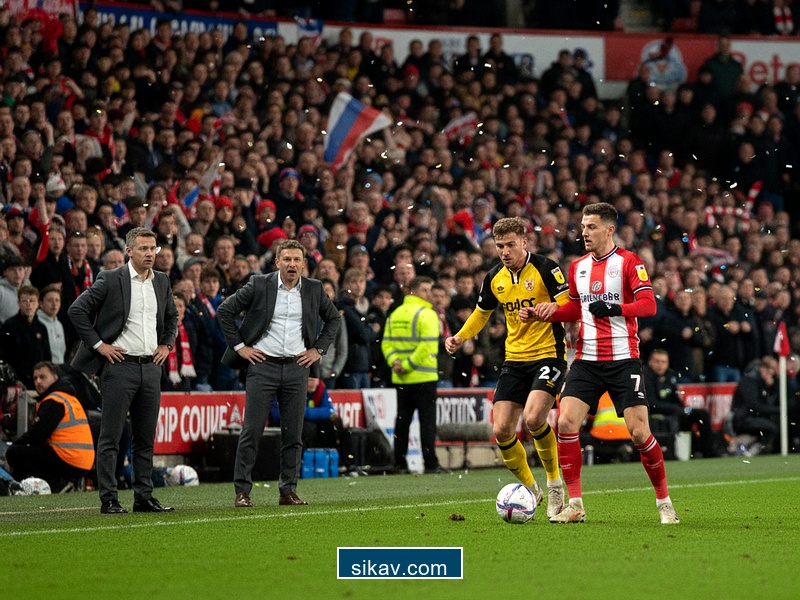
Christmas in the English Football League isn't about goodwill to all men. It is about bloodletting. With just two rounds of fixtures remaining before the festive turkey is carved, we are witnessing the annual ritual where panicked owners, terrified of the relegation trapdoor or desperate for a playoff payday, sharpen their knives. The BBC’s sanitized preview calls it "Bosses in crisis." Let’s call it what it actually is: a systemic failure of leadership at the very top of our clubs.
The narrative heading into this weekend is predictably grim. We have managers clinging to their jobs by a thread, staring down the barrel of unemployment if a ball bounces off a shin and into the wrong net. And then we have the "Bristolian Reunion"—a romantic framing of what is essentially a tactical collision course. While the media loves a heartwarming return, the reality on the pitch is usually far uglier. This weekend isn't just a game; it is a referendum on the chaotic decision-making that plagues the EFL.
The Managerial Slaughterhouse: A Crisis of Patience
Why do clubs insist on pulling the trigger in mid-December? It defies logic. If you fire a manager now, you are asking a replacement to assess a squad, implement a tactical philosophy, and identify transfer targets within a two-week window, all while navigating the most congested fixture list in world football. It is setting a man up to fail.
The "Bosses in crisis" headline is a symptom of a deeper rot. We are seeing owners who treat football clubs like fantasy teams. They look at the league table, see a gap of six points to the playoffs, and decide that the solution is to pay off a coaching staff and bring in a "firefighter." This short-termism is the cancer of the EFL. It destroys continuity, ruins academies, and burns money.
"The modern Championship owner would sack Ferguson in '89 and Klopp in his first season. They don't want a project; they want a miracle. And when they don't get it, they blame the guy in the dugout."
The Bristolian Reunion: Nostalgia vs. Evolution
The spotlight on the Bristolian reunion is fascinating not because of the handshake before kickoff, but because of what it represents regarding club identity. Bristol City, like many clubs in this division, often finds itself trapped between two identities: the gritty, pragmatic approach required to survive the Championship meat-grinder, and the modern, possession-based idealism that fans are told to crave.
When old faces return to Ashton Gate, it highlights the stark contrast between eras. Are we celebrating the past because the present is underwhelming? This reunion isn't just sentimental; it’s a tactical audit. If the former boss or player returns and outclasses the current regime, the toxicity in the stands will rise faster than the tide. Football is a cruel business. You are only as good as your last three games, and if your predecessor walks into your house and takes three points, your project is dead in the water.
Tactical Suicide in Winter
The tactical shift required in December is immense. Pitches are heavier, legs are heavier, and the "beautiful game" often devolves into a war of attrition. The managers currently "in crisis" are usually the ones who refuse to adapt. They stick to rigid playing out from the back structures that work in August sunshine but lead to defensive errors in December rain. The reunion fixture will likely be decided not by who has the better xG (Expected Goals), but by who makes fewer catastrophic errors in possession.
The Stat Pack: The Myth of the "Change"
Fans love to scream "Sack him!" but the data suggests they should be careful what they wish for. Let’s look at the reality of mid-season managerial changes in the Championship over the last five years. The numbers expose the "New Manager Bounce" for what it is: a statistical anomaly, not a strategy.
| Metric | Sacked Manager (Avg Last 10 Games) | New Manager (First 10 Games) | Net Impact |
|---|---|---|---|
| Points Per Game (PPG) | 0.85 | 1.05 | +0.20 (Negligible) |
| Goals Conceded | 1.6 | 1.4 | -0.2 |
| Squad Value Utilization | 85% | 60% | -25% (Chaos) |
| Win % | 21% | 28% | Minor Uplift |
Look closely at that table. A 0.20 increase in Points Per Game is rarely enough to save a season, yet clubs will mortgage their future to chase it. The drop in "Squad Value Utilization" is the real killer. New managers come in, ostracize high-wage earners they didn't sign, and demand new transfers. It is a cycle of financial destruction.
The Fan Pulse: A Winter of Discontent
Step away from the directors' box and listen to the noise in the stands. The mood across the EFL right now is volatile. We are seeing a shift in fan culture where patience has evaporated. The "crisis" isn't just about league position; it is about the severing of the emotional contract between club and supporter.
Fans are tired of PR statements. They are tired of hearing about "long-term visions" from owners who panic at the first sign of a losing streak. In Bristol, the reunion fixture will be a lightning rod for this sentiment. If the home side struggles, the nostalgia for the "good old days" (represented by the returning opposition) will weaponize the atmosphere.
- The Toxicity Index: High. Fans are cold, broke, and demanding results before Christmas.
- The Trust Deficit: Owners are viewed with extreme skepticism. Every sacking reinforces the idea that the people in charge have no plan.
- The Transfer Demand: The January window looms like a mirage. Fans believe spending is the cure, but Financial Fair Play (FFP) handcuffs mean most clubs are powerless.
This weekend, pay attention to the touchlines. Watch the body language of the managers labeled "in crisis." You won't see tactical masterminds at work; you will see men drowning in the pressure of an industry
Christmas in the English Football League isn't about goodwill to all men. It is about bloodletting. With just two rounds of fixtures remaining before the festive turkey is carved, we are witnessing the annual ritual where panicked owners, terrified of the relegation trapdoor or desperate for a playoff payday, sharpen their knives. The BBC’s sanitized preview calls it "Bosses in crisis." Let’s call it what it actually is: a systemic failure of leadership at the very top of our clubs.
The narrative heading into this weekend is predictably grim. We have managers clinging to their jobs by a thread, staring down the barrel of unemployment if a ball bounces off a shin and into the wrong net. And then we have the "Bristolian Reunion"—a romantic framing of what is essentially a tactical collision course. While the media loves a heartwarming return, the reality on the pitch is usually far uglier. This weekend isn't just a game; it is a referendum on the chaotic decision-making that plagues the EFL.
The Managerial Slaughterhouse: A Crisis of Patience
Why do clubs insist on pulling the trigger in mid-December? It defies logic. If you fire a manager now, you are asking a replacement to assess a squad, implement a tactical philosophy, and identify transfer targets within a two-week window, all while navigating the most congested fixture list in world football. It is setting a man up to fail.
The "Bosses in crisis" headline is a symptom of a deeper rot. We are seeing owners who treat football clubs like fantasy teams. They look at the league table, see a gap of six points to the playoffs, and decide that the solution is to pay off a coaching staff and bring in a "firefighter." This short-termism is the cancer of the EFL. It destroys continuity, ruins academies, and burns money.
"The modern Championship owner would sack Ferguson in '89 and Klopp in his first season. They don't want a project; they want a miracle. And when they don't get it, they blame the guy in the dugout."
The Bristolian Reunion: Nostalgia vs. Evolution
The spotlight on the Bristolian reunion is fascinating not because of the handshake before kickoff, but because of what it represents regarding club identity. Bristol City, like many clubs in this division, often finds itself trapped between two identities: the gritty, pragmatic approach required to survive the Championship meat-grinder, and the modern, possession-based idealism that fans are told to crave.
When old faces return to Ashton Gate, it highlights the stark contrast between eras. Are we celebrating the past because the present is underwhelming? This reunion isn't just sentimental; it’s a tactical audit. If the former boss or player returns and outclasses the current regime, the toxicity in the stands will rise faster than the tide. Football is a cruel business. You are only as good as your last three games, and if your predecessor walks into your house and takes three points, your project is dead in the water.
Tactical Suicide in Winter
The tactical shift required in December is immense. Pitches are heavier, legs are heavier, and the "beautiful game" often devolves into a war of attrition. The managers currently "in crisis" are usually the ones who refuse to adapt. They stick to rigid playing out from the back structures that work in August sunshine but lead to defensive errors in December rain. The reunion fixture will likely be decided not by who has the better xG (Expected Goals), but by who makes fewer catastrophic errors in possession.
The Stat Pack: The Myth of the "Change"
Fans love to scream "Sack him!" but the data suggests they should be careful what they wish for. Let’s look at the reality of mid-season managerial changes in the Championship over the last five years. The numbers expose the "New Manager Bounce" for what it is: a statistical anomaly, not a strategy.
| Metric | Sacked Manager (Avg Last 10 Games) | New Manager (First 10 Games) | Net Impact |
|---|---|---|---|
| Points Per Game (PPG) | 0.85 | 1.05 | +0.20 (Negligible) |
| Goals Conceded | 1.6 | 1.4 | -0.2 |
| Squad Value Utilization | 85% | 60% | -25% (Chaos) |
| Win % | 21% | 28% | Minor Uplift |
Look closely at that table. A 0.20 increase in Points Per Game is rarely enough to save a season, yet clubs will mortgage their future to chase it. The drop in "Squad Value Utilization" is the real killer. New managers come in, ostracize high-wage earners they didn't sign, and demand new transfers. It is a cycle of financial destruction.
The Fan Pulse: A Winter of Discontent
Step away from the directors' box and listen to the noise in the stands. The mood across the EFL right now is volatile. We are seeing a shift in fan culture where patience has evaporated. The "crisis" isn't just about league position; it is about the severing of the emotional contract between club and supporter.
Fans are tired of PR statements. They are tired of hearing about "long-term visions" from owners who panic at the first sign of a losing streak. In Bristol, the reunion fixture will be a lightning rod for this sentiment. If the home side struggles, the nostalgia for the "good old days" (represented by the returning opposition) will weaponize the atmosphere.
- The Toxicity Index: High. Fans are cold, broke, and demanding results before Christmas.
- The Trust Deficit: Owners are viewed with extreme skepticism. Every sacking reinforces the idea that the people in charge have no plan.
- The Transfer Demand: The January window looms like a mirage. Fans believe spending is the cure, but Financial Fair Play (FFP) handcuffs mean most clubs are powerless.
This weekend, pay attention to the touchlines. Watch the body language of the managers labeled "in crisis." You won't see tactical masterminds at work; you will see men drowning in the pressure of an industry